

In today’s digital era, our eyes are under more strain than ever. From constant screen time to pollution and lifestyle stress, it’s no surprise that eye problems have become increasingly common. Whether you’re dealing with dry eyes, redness, itching, or simply want to maintain good vision, the right eye care medication can make all the difference.
In this comprehensive guide, we’ll explore the benefits, types, and best practices for using eye care medicine to ensure optimal eye health.
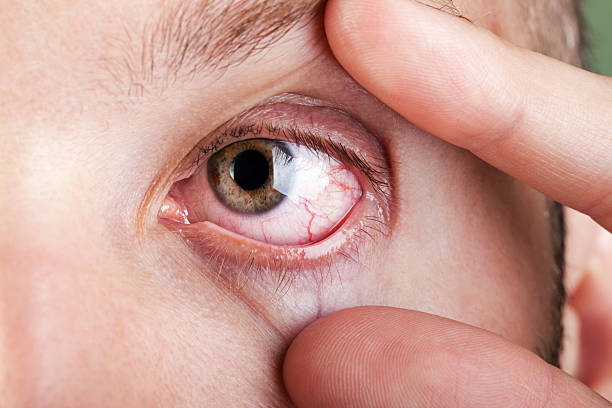
Why Eye Care Medication Is Essential
Your eyes are among the most sensitive organs in your body. They’re exposed daily to dust, UV rays, allergens, and digital screens. Over time, this exposure can lead to discomfort, blurred vision, and even long-term damage.
Eye care medication is designed to treat and prevent common eye conditions such as:
- Dryness
- Allergic irritation
- Redness and inflammation
- Eye strain
- Infections (like conjunctivitis)
By using the best eye drops and medications, you can protect your vision, reduce discomfort, and improve your overall eye health.
Common Eye Problems Treated with Eye Drops
1. Dry Eyes
One of the most frequent issues today, especially among people who work on computers or mobile screens. Dry eye treatment usually involves lubricating eye drops or artificial tears that restore moisture and relieve irritation.
2. Red Eyes
Caused by allergies, lack of sleep, or infection. Red eye relief drops work by constricting blood vessels and reducing inflammation, helping your eyes look and feel better.
3. Itchy or Allergic Eyes
Seasonal allergies or dust exposure can make your eyes itch or water. Antihistamine eye drops help reduce allergic reactions and provide instant relief.
4. Infections
Eye infections like conjunctivitis (pink eye) require antibiotic or antiviral eye drops, which must be prescribed by a doctor.
Types of Eye Care Medication
There are various types of eye drops and medications, each suited for a specific condition:
| Type | Use |
|---|---|
| Lubricating Drops | For dry eyes and computer vision syndrome |
| Anti-allergy Drops | For pollen, dust, and seasonal allergy relief |
| Antibiotic Drops | For bacterial eye infections |
| Anti-inflammatory Drops | For swelling and redness |
| Antiviral Eye Drops | For viral infections like herpes simplex |
| Preservative-Free Drops | Gentle option for sensitive eyes |
How to Use Eye Drops Correctly
Proper usage is key to getting the full benefit of your eye medication. Here are simple steps to follow:
- Wash your hands thoroughly.
- Tilt your head back and pull down the lower eyelid.
- Hold the dropper above the eye, without touching it.
- Squeeze the prescribed number of drops.
- Close your eyes gently and press the inner corner for 1 minute.
- Don’t blink or rub your eyes immediately.
Pro Tip: Wait at least 5–10 minutes before using another type of eye drop.
Best Practices for Healthy Eyes
In addition to using eye care medication, follow these daily eye health tips to keep your vision sharp:
🔹 Follow the 20-20-20 Rule – Every 20 minutes, look at something 20 feet away for 20 seconds.
🔹 Wear UV Protection – Use sunglasses with UV filters outdoors.
🔹 Stay Hydrated – Drink plenty of water to keep your eyes naturally lubricated.
🔹 Avoid Touching Eyes with Unwashed Hands – Prevents infections and irritation.
🔹 Eat Eye-Friendly Foods – Include leafy greens, carrots, citrus fruits, and omega-3 fatty acids in your diet.
When to See a Doctor
While over-the-counter eye drops are effective for many issues, some symptoms should never be ignored. Consult an eye specialist if you experience:
- Severe pain
- Sudden vision loss
- Persistent redness or swelling
- Discharge or crusting of eyelids
- Eye injury
Always follow your doctor’s advice before starting medicated eye drops, especially for infections or chronic conditions like glaucoma.
🛒 How to Choose the Best Eye Drops
With so many products available, it’s important to choose the best eye drops suited to your needs:
- For general dryness: Look for artificial tears with hyaluronic acid or carboxymethylcellulose.
- For allergies: Choose antihistamine drops with ingredients like olopatadine.
- For redness relief: Avoid overuse of decongestant drops as they can cause rebound redness.
- For sensitive eyes: Opt for preservative-free formulas.
Conclusion
Your eyes deserve just as much care as any other part of your body. With the right eye care medication, healthy habits, and regular checkups, you can enjoy clear and comfortable vision every day.
Whether you’re suffering from digital eye strain, seasonal allergies, or simply want to maintain sharp vision, choose your eye drops wisely—and never ignore what your eyes are trying to tell you.
