
In the fast-paced world we live in today, health often becomes an afterthought. Between work responsibilities, family obligations, and daily stress, we tend to ignore the subtle signals our bodies give us. However, early detection health checkups is one of the most powerful tools we have in preventing chronic illnesses and maintaining long-term health. Understanding the importance of medical awareness, regular health checkups, and early screening can literally save your life.
This guide explores why early detection health checkups matters, common warning signs not to ignore, and how simple lifestyle changes can drastically improve your overall wellbeing. If you are serious about taking control of your health, this comprehensive guide is for you.
Why Early Detection Health Checkups Matters
Early detection health checkups refers to identifying diseases or health problems before symptoms become severe. Many life-threatening conditions—such as cancer, cardiovascular disease, and diabetes—often develop quietly over years. Without screening and preventive care, they may only be identified at an advanced stage, making treatment more difficult and less effective.
Several studies confirm that early detection health checkups:
- Improves chances of successful treatment
- Reduces long-term healthcare costs
- Prevents complications
- Enhances quality of life
For example, detecting hypertension early prevents heart failure and stroke. Identifying pre-diabetes helps avoid full-blown diabetes. Discovering cancers such as breast or colon cancer early increases survival rates significantly.
Early detection health checkups is not just beneficial—it is essential.
The Role of Regular Health Checkups
Routine medical checkups allow healthcare providers to monitor your vital signs, review your medical history, and detect subtle changes in your body. These evaluations provide an opportunity to catch diseases long before symptoms show up.
Regular health checkups may include:
- Blood pressure measurement
- Blood glucose test
- Complete blood count
- ECG for heart health
- Kidney and liver function tests
- Cholesterol profile
- Cancer screening based on age and risk
- Bone density testing
- Thyroid and hormone panel
These tests help create a preventive health map, giving you and your doctor a clear picture of your body’s condition.
Skipping checkups may seem harmless, but many conditions grow silently. Regular screening is your first line of defense.
Understanding the Warning Signs You Should Never Ignore
Your body communicates through symptoms. Ignoring these signs can lead to severe consequences. Here are some common warning signals that should never be taken lightly:
1. Unexplained fatigue
Chronic tiredness can mean anemia, thyroid disorders, diabetes, or kidney problems.
2. Sudden weight changes
Unexpected gain or loss may signal hormonal imbalance, digestive disorders, or even cancer.
3. Persistent pain or discomfort
Pain that lasts for weeks should always be checked, especially chest pain, abdominal pain, or bone pain.
4. Changes in bowel habits
Constipation, diarrhea, or blood in stool may indicate digestive issues or colon cancer.
5. Frequent urination or excessive thirst
These are classic early signs of diabetes.
6. Skin changes
New moles, growths, or changes in skin color require immediate medical attention.
7. Shortness of breath
Could indicate asthma, heart issues, or anemia.
Ignoring early symptoms may cost you more in the long run. Your body whispers before it screams—listen to it.
The Power of Preventive Healthcare
Preventive healthcare focuses on preventing diseases rather than treating them. It includes screenings, vaccinations, healthy lifestyle choices, and routine follow-ups.
Benefits of preventive healthcare include:
- Reduced risk of chronic diseases
- Lower medical costs
- Longer, healthier life
- Better mobility and independence
- Improved mental and emotional health
People who prioritize prevention tend to enjoy healthier lifestyles and have fewer medical complications later in life.
Three Important Steps for Better Health Awareness
These three core principles should guide everyone who wants to maintain long-term health:
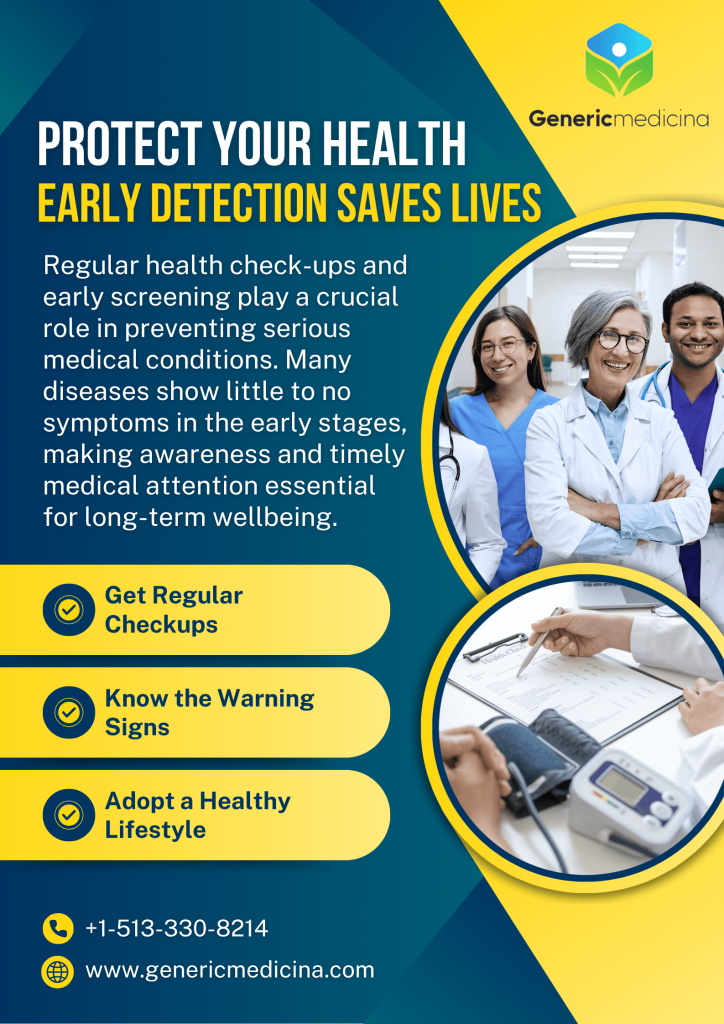
1. Get Regular Checkups
Regular screenings help detect conditions like hypertension, diabetes, thyroid disorders, kidney disease, and cancer early. Even if you feel healthy, silent diseases may be developing inside your body.
Recommended checkup frequency:
- Annually for adults
- Every 6 months if you have chronic conditions
- Quarterly if your doctor recommends closer monitoring
Early detection health checkups transforms treatment outcomes and reduces complications.
2. Know the Warning Signs
Educate yourself about symptoms that may indicate serious conditions. Many people ignore early signs and seek help only when the condition becomes severe.
Common warning signs include:
- Sudden fatigue
- Persistent headaches
- Shortness of breath
- Skin discoloration
- Extreme thirst
- Sudden weight changes
Being aware of your body is the first step toward protecting your health.
3. Adopt a Healthy Lifestyle
Even the best medicines cannot replace a healthy lifestyle. Simple daily habits go a long way in improving your overall health.
Healthy lifestyle habits include:
- Eat a balanced diet rich in whole foods
- Exercise at least 30 minutes daily
- Stay hydrated
- Avoid smoking and alcohol
- Get 7–8 hours of sleep
- Manage stress through meditation or hobbies
Healthy habits protect your body from chronic conditions and enhance longevity.
How Lifestyle Impacts Early Detection Health Checkups Success
Lifestyle choices can either support or hinder early detection health checkups efforts. For instance:
- A balanced diet helps maintain healthy cholesterol and sugar levels
- Regular exercise keeps your heart strong
- Reduced alcohol and smoking lower cancer and heart disease risks
- Managing stress improves immune function
When you combine routine checkups with a healthy lifestyle, your body functions optimally, making it easier to detect abnormalities early.
Why People Often Delay Medical Checkups
Avoiding or delaying checkups is more common than you think. Reasons include:
- Fear of diagnosis
- Busy schedules
- Misunderstanding symptoms
- Cultural hesitation
- Cost concerns
However, delaying medical care often turns minor, treatable issues into major emergencies. Awareness and education are crucial to encourage preventive action.
How to Make Early Detection Health Checkups Part of Your Life
Here are simple tips to stay consistent:
- Set reminders for annual checkups
- Maintain a personal health record
- Track symptoms in a journal
- Discuss family medical history with your doctor
- Follow prescribed treatments regularly
- Keep an eye on new symptoms
Being proactive rather than reactive is the foundation of good health.
Get All Wellness Medicine Online from GenericMedicina
Maintaining your wellbeing requires easy and reliable access to trusted healthcare products. At GenericMedicina, you can get all wellness medicine online conveniently, securely, and at competitive prices. Whether you’re managing a long-term health condition, supporting your daily nutritional needs, or focusing on preventive care, GenericMedicina offers a comprehensive range of wellness medicines for every requirement.
Ordering wellness products online through GenericMedicina ensures:
- High-quality medicines sourced from reliable pharmaceutical manufacturers
- Affordable pricing to make long-term wellness care accessible
- Fast delivery right to your doorstep
- Secure packaging that protects product integrity
- Easy browsing across categories like vitamins, supplements, chronic care medicines, and daily health essentials
Final Thoughts: Prevention is Better Than Cure
Maintaining good health is not a one-time effort—it is a lifelong commitment. Early detection health checkups, routine checkups, and symptom awareness can prevent major illnesses and dramatically improve quality of life. Most diseases are easier and cheaper to treat when found early. Your health is your greatest investment, and prioritizing it today ensures a stronger tomorrow.
Take the first step now. Listen to your body, schedule your checkups, and take control of your health before it’s too late.
