
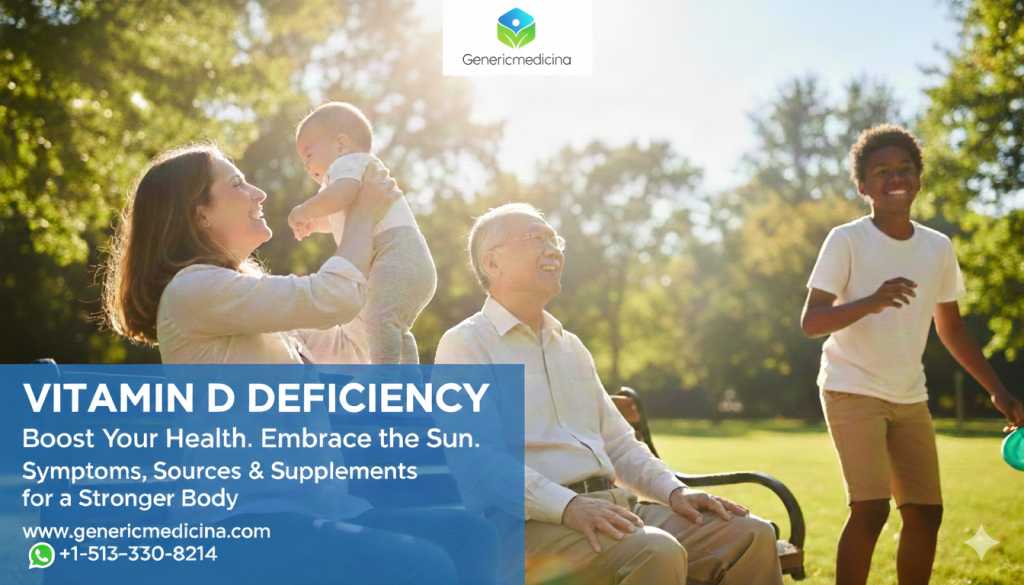
Vitamin D Deficiency is rapidly becoming one of the most common yet overlooked health conditions worldwide. Despite being easily preventable, millions of people unknowingly live with Vitamin D Deficiency, leading to weakened immunity, bone problems, fatigue, and long-term health complications. Because Vitamin D is essential for hundreds of bodily functions, even a mild Vitamin D Deficiency can significantly impact daily wellness.
In this comprehensive guide, we will explore what Vitamin D Deficiency really means, how it affects your body, its early signs, causes, treatments, and natural prevention strategies. Whether you’re a health enthusiast or someone trying to improve overall wellness, this article will give you all the information you need.
What Is Vitamin D Deficiency?
Vitamin D Deficiency occurs when your body does not receive enough Vitamin D to maintain healthy levels. Vitamin D is crucial for regulating calcium absorption, supporting the immune system, enhancing mood, and keeping bones strong. When levels drop too low, the body begins to show subtle warning signs—signs many people mistakenly ignore.
Unlike other vitamins, Vitamin D acts more like a hormone. Your body can create it naturally when the skin is exposed to sunlight. However, lifestyle changes, increased indoor activities, and limited sun exposure have made Vitamin D Deficiency a modern health concern.
Common Symptoms of Vitamin D Deficiency
Recognizing the symptoms early can help prevent complications. Some of the most common signs of Vitamin D Deficiency include:
1. Persistent Fatigue
Low energy levels and constant tiredness are often early indicators of Vitamin D Deficiency. Because Vitamin D plays a role in energy production, insufficient levels can slow down the body.
2. Frequent Illness or Infections
Vitamin D supports immune function. People with Vitamin D Deficiency often experience colds, flu, and respiratory infections more frequently.
3. Muscle Weakness and Joint Pain
Chronic pain in bones, muscles, and joints can occur when Vitamin D levels drop.
4. Mood Changes or Depression
Vitamin D receptors exist in the brain. For this reason, Vitamin D Deficiency is associated with mood disorders and seasonal depression.
5. Slow Wound Healing
If cuts and bruises take longer to heal, low Vitamin D might be a factor.
6. Hair Loss
Severe hair thinning has been linked to long-term Vitamin D Deficiency in several cases.
If you notice several of these symptoms together, it’s important to speak to a healthcare professional for proper testing.
What Causes Vitamin D Deficiency?
Understanding the root causes of Vitamin D Deficiency is essential for prevention.
Lack of Sunlight Exposure
Spending too much time indoors, living in cold regions, or consistently using sunscreen can significantly reduce Vitamin D production.
Poor Dietary Intake
Very few foods naturally contain Vitamin D. This makes diet-related Vitamin D Deficiency fairly common.
Medical Conditions
Digestive disorders like celiac disease, Crohn’s disease, or kidney issues can hinder Vitamin D absorption.
Aging
As we age, the skin becomes less efficient at producing Vitamin D, increasing the risk of Vitamin Deficiency.
Darker Skin Tone
People with higher melanin levels naturally produce less Vitamin D from sunlight, which can contribute to Vitamin Deficiency.
Health Risks Associated With Vitamin D Deficiency
Untreated Vitamin Deficiency can lead to several long-term health concerns.
Bone Weakening (Osteoporosis)
Vitamin D helps regulate calcium. Without it, bones become weak and brittle.
Increased Risk of Infections
Because Vitamin D supports immune function, deficiency can make it harder for the body to fight viruses.
Cardiovascular Issues
Some studies suggest a link between Vitamin Deficiency and heart health problems, although research is ongoing.
Mood and Mental Health Disorders
Low Vitamin D has been correlated with depression, anxiety, and mood instability.
Pregnancy Complications
Pregnant individuals with Vitamin Deficiency may experience increased risk of complications such as preeclampsia or low birth weight in infants.
How to Diagnose Vitamin D Deficiency
If you suspect Vitamin Deficiency, the most accurate way to confirm it is through a blood test known as the 25-hydroxy Vitamin D test.
Doctors generally classify Vitamin D levels as:
- 30 ng/mL or higher: Sufficient
- 20–29 ng/mL: Mild deficiency
- Below 20 ng/mL: Vitamin D Deficiency
- Below 10 ng/mL: Severe deficiency
It’s important to get tested before taking high-dose supplements to ensure safe treatment.
Best Ways to Treat Vitamin D Deficiency
1. Safe Sun Exposure
Sunlight remains one of the most effective ways to improve Vitamin Deficiency naturally. Short, safe exposure (10–20 minutes depending on skin type) several times a week can help.
2. Vitamin D-Rich Foods
Include foods like:
- Salmon
- Sardines
- Fortified milk
- Egg yolks
- Mushrooms
These can support recovery from Vitamin Deficiency when combined with lifestyle changes.
3. Supplements
Healthcare providers may recommend Vitamin D2 or D3 supplements, depending on your deficiency level. Always consult a professional before starting supplements, especially high doses.
4. Lifestyle Adjustments
Regular outdoor activities, a balanced diet, and monitoring your health can prevent future Vitamin Deficiency episodes.
Natural Prevention Tips for Vitamin Deficiency
Prevention is simpler than treatment. Here’s how to protect yourself from Vitamin D Deficiency:
- Spend time outdoors daily
- Eat fortified foods
- Maintain a healthy body weight
- Monitor Vitamin D levels yearly
- Stay physically active
Following these habits can dramatically reduce your risk of Vitamin D Deficiency.
Who Is Most at Risk of Vitamin D Deficiency?
Certain groups have a higher likelihood of developing Vitamin Deficiency, including:
- Older adults
- Individuals with darker skin
- People who avoid sunlight
- Those with digestive issues
- Vegans or vegetarians
- Individuals with obesity
If you fall into any of these categories, keeping track of Vitamin D levels becomes even more important.
Buy Affordable Generic Medicines from GenericMedicina
If you are looking for a reliable place to purchase safe, affordable, and high-quality generic medicines, GenericMedicina is one of the most trusted online platforms available today. Many people dealing with conditions linked to Vitamin Deficiency, or those needing regular medications for everyday health, often struggle with high prescription costs. GenericMedicina helps bridge this gap by offering cost-effective alternatives without compromising on quality.
Final Thoughts on Vitamin D Deficiency
Vitamin D Deficiency is common, but it’s also highly preventable and treatable. By paying attention to early signs, making simple lifestyle changes, and working with healthcare providers when necessary, you can restore healthy Vitamin D levels and protect your long-term health.
This essential nutrient supports your bones, immune system, mood, and overall wellness. If you suspect Vitamin Deficiency, take action early—your body will thank you.
