

Introduction
How to lower blood pressure naturally is a question more people are asking as heart disease continues to rise worldwide. Blood pressure plays a critical role in maintaining your heart health, reflecting the force of blood against artery walls. Whether you’re struggling with high blood pressure (hypertension), low blood pressure (hypotension), or simply want to keep your numbers in a healthy range, understanding how to manage it—especially through natural methods—is essential. This guide explores what blood pressure is, how it affects your heart, and practical strategies to lower blood pressure naturally without medication.
This guide is designed to help you understand your body and explore proven strategies for how to lower blood pressure naturally without side effects.
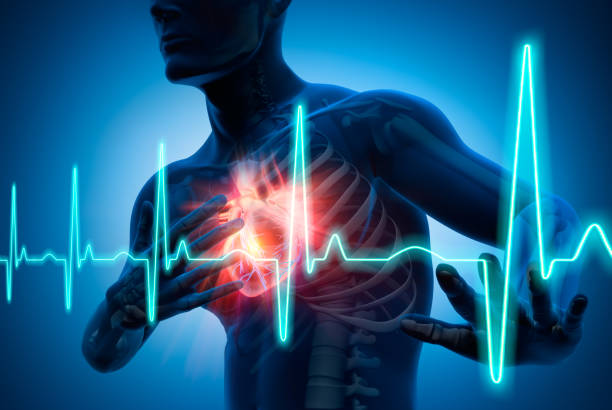
1. What Is Blood Pressure & How Is It Generated?
Blood pressure (BP) represents the force that circulating blood exerts against the walls of your arteries. It is measured in millimeters of mercury (mm Hg) and recorded in two values:
- Systolic pressure (top number): the force exerted when your heart contracts to pump blood into your arteries.
- Diastolic pressure (bottom number): the pressure in your arteries when your heart relaxes between beats
When the heart beats, the left ventricle pushes oxygenated blood into the aorta and arterial system—this action creates the systolic pressure. During diastole, blood vessels maintain pressure while the heart chambers refill.
A healthy reading is under 120/80 mm Hg. Elevated or abnormal values fall into categories outlined by medical guidelines:
- Normal: < 120/80 mm Hg
- Elevated: 120–129/< 80 mm Hg
- Stage 1 hypertension: 130–139/80–89 mm Hg
- Stage 2 hypertension: ≥ 140/90 mm Hg.
2. The Baroreflex: Your Body’s Pressure Regulator
Inside your aortic arch and carotid sinuses are stretch-sensitive baroreceptors detecting changes in blood pressure moment-to-moment. When BP rises, they signal the brain to slow the heart rate; when BP drops, the response speeds it up—sometimes within fractions of a second. This swift feedback helps maintain stable BP, especially during position changes like standing up.
Other slower systems, including renin-angiotensin-aldosterone system (RAAS) and atrial natriuretic peptide, help regulate fluid balance and vessel tone over hours to days.
3. High Blood Pressure (Hypertension): Why It Matters
3.1 Causes & Risk Factors
Major contributors to hypertension include genetics, age-related vessel stiffness, overweight, sedentary lifestyle, poor diet (especially high sodium), excessive alcohol, smoking, and chronic stress. Underlying conditions such as diabetes, kidney disease, or sleep apnea also elevate risk.
3.2 Effects on Heart Health
Chronic hypertension damages the endothelium (arterial lining), accelerates atherosclerosis, and leads to stiff arteries and plaque buildup. Over time, the heart adapts by thickening (left ventricular hypertrophy), which eventually compromises pumping efficiency and predisposes to heart failure. Hypertension also increases risk of coronary artery disease, atrial fibrillation, heart attack, stroke, kidney damage, and vision problems.
3.3 Silent but Dangerous
Often called a “silent killer,” hypertension may present no obvious symptoms yet quietly damages organs. Regular checks are essential—even in the absence of symptoms like headaches or dizziness.
3.4 Orthostatic Response
Some individuals experience a significant rise in blood pressure upon standing (≥ 6.5 mm Hg systolic) which, research suggests, may double the risk of future heart events such as heart attack or stroke. That’s why learning how to lower blood pressure naturally early on can prevent silent damage and long-term health complications.
4. Low Blood Pressure (Hypotension)
Hypotension is defined as a systolic reading below 90 mm Hg or diastolic below 60 mm Hg. While this article focuses on hypertension, many natural strategies for how to lower blood pressure naturally also support overall vascular tone and balance. While sometimes harmless, it can cause dizziness, fainting, fatigue, and in severe cases, organ dysfunction. A common type, orthostatic hypotension, is diagnosed when blood pressure drops significantly after shifting from lying to standing—a fall of ≥ 20 mm Hg systolic or ≥ 10 mm Hg diastolic within a few minutes. This triggers compensatory heart rate increases, which may also indicate POTS if heart rate rises by ≥ 30 bpm.
5. Normal Blood Pressure & Maintenance
A healthy blood pressure usually falls below 120/80 mm Hg—a state known as normotension or normotensive “balance.” Maintaining it protects arteries and organs and reduces long-term cardiovascular risk. Maintaining a healthy range means staying informed on how to lower blood pressure naturally and consistently applying what works for your body.
6. Prevention & Management Strategies
6.1 Lifestyle Interventions
One of the most effective ways how to lower blood pressure naturally is by adopting the DASH or Mediterranean diet.
- Diet: Adopt the DASH diet or Mediterranean-style eating—rich in fruits, vegetables, whole grains, lean protein, low-fat dairy; low in sodium, saturated fats, and ultra‑processed foods. Reducing sodium has been shown to lower systolic BP by ~5 mm Hg and diastolic by ~3 mm Hg on average; the DASH diet can reduce overall cardiovascular risk by ~13 %.
- Exercise: Aim for ≥ 150 minutes/week of moderate aerobic activity plus strength training twice weekly. Exercise improves vascular tone, lowers stress, and supports weight control.
- Exercise not only burns calories and reduces stress—it’s also a cornerstone for anyone wondering how to lower blood pressure naturally without medication.
- Weight Management: Even a 5–10 % reduction in body weight can meaningfully reduce blood pressure. If you’re seeking how to lower blood pressure naturally, even a modest 5–10% weight loss can make a significant difference.
- Avoid Harmful Habits: Minimize alcohol, eliminate tobacco use, limit caffeine close to readings. Reducing caffeine and quitting tobacco are both crucial parts of how to lower blood pressure naturally and effectively.
- Manage Stress: Use mindfulness, meditation, yoga, deep breathing or journaling to reduce stress-induced BP spikes. Relaxation techniques like meditation, deep breathing, or journaling are proven tools in how to lower blood pressure naturally and reduce cardiovascular strain.
6.2 Regular Monitoring
- At-home monitoring is more reliable than occasional clinic readings and helps avoid “white-coat hypertension.” Follow proper guidelines: seated for 5 mins, no talking, avoid exercise/caffeine prior to measurement, record multiple readings and average them.
- Adults 18+ should check BP regularly; those over 40 or with risk factors should do so more often and in consultation with healthcare providers.
- When learning how to lower blood pressure naturally, home monitoring gives you accurate insight into how lifestyle changes are working.
6.3 Medication When Necessary
When lifestyle changes alone are not enough—especially in Stage 2 hypertension or when organ damage/risk is high—antihypertensive medications may be prescribed. Treatment should be personalized, balancing benefits and possible side effects. Still, combining prescriptions with techniques for how to lower blood pressure naturally often yields the best results.
6.4 Bedtime Habits That Help
Simple evening practices like limiting alcohol and salty snacks, meditating, taking medications on schedule, and creating a dark and cool sleep environment can support better nighttime blood pressure control.
7. The Bigger Picture: Why It Matters
Understanding BP in relation to heart function goes beyond personal health—it has public health implications. Understanding BP in relation to heart function starts by exploring how to lower blood pressure naturally and sustainably. Many adults with hypertension remain undiagnosed, increasing risk for heart attack, stroke, kidney failure, and vision loss. Early detection, prevention, and management are crucial to reducing these risks.
Summary Table
| Aspect | Key Insight |
|---|---|
| Systolic / Diastolic | Top / bottom number, reflects contraction and rest pressure |
| Normal Range | <120/80 mm Hg |
| Elevated & Hypertension | 120‑129/<80 → stage 1 → ≥140/90 |
| Baroreflex Regulation | Balances BP via fast feedback loops |
| Hypertension Risks | Atherosclerosis, LV hypertrophy, organ damage |
| Hypotension Risks | Dizziness, fainting, poor organ perfusion |
| Prevention | Diet, exercise, weight, stress, no smoking |
| Monitoring | Home readings more reliable than clinic |
| When Meds Needed | Persistent Stage 2 or elevated risk |
Buy Heart & Blood Pressure Medicines Online from GenericMedicina
Take control of your heart health with trusted, affordable medications — all from the comfort of your home.
Why Choose GenericMedicina?
- Authentic & FDA-approved medications
- Up to 70% savings on generic alternatives
- Doorstep delivery across major regions
- Secure payment & discreet packaging
- Free consultation with licensed pharmacists
Popular Heart & Blood Pressure Medications Available:
| Brand Name | Generic Equivalent | Use |
|---|---|---|
| Norvasc | Amlodipine | High blood pressure, chest pain |
| Lopressor | Metoprolol | Hypertension, heart failure |
| Diovan | Valsartan | Blood pressure control, heart failure |
| Zestril / Prinivil | Lisinopril | ACE inhibitor for hypertension |
| Tenormin | Atenolol | Beta-blocker for heart rate & BP |
How to Order:
- Visit: www.genericmedicina.com
- Search your prescribed medicine
- Upload prescription (if required)
- Add to cart and checkout securely
- Get your order delivered within days
Safe, Affordable & Reliable
GenericMedicina is committed to providing high-quality, cost-effective medication for those managing hypertension, heart failure, and cardiovascular risk. All products are verified by licensed pharmacists and stored under regulated conditions.
Final Thoughts
Good habits and early action today can prevent serious complications tomorrow.
Know your numbers: aim for <120/80 mm Hg.
Prevention is in your hands: diet, movement, hydration, and stress control all count.
Monitor consistently at home instead of relying solely on clinic readings.
Work with your healthcare provider if lifestyle changes aren’t enough.
If you’re serious about heart health, learning how to lower blood pressure naturally should be at the top of your list.
